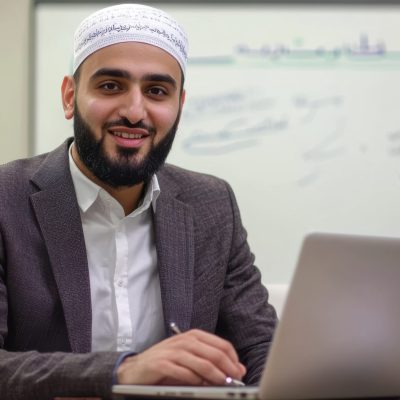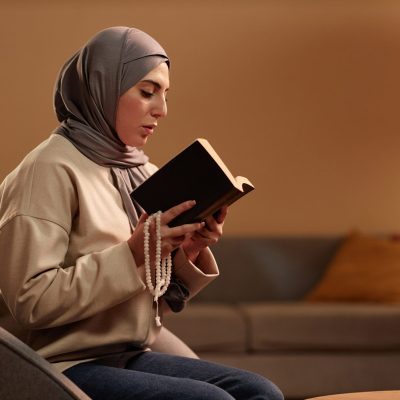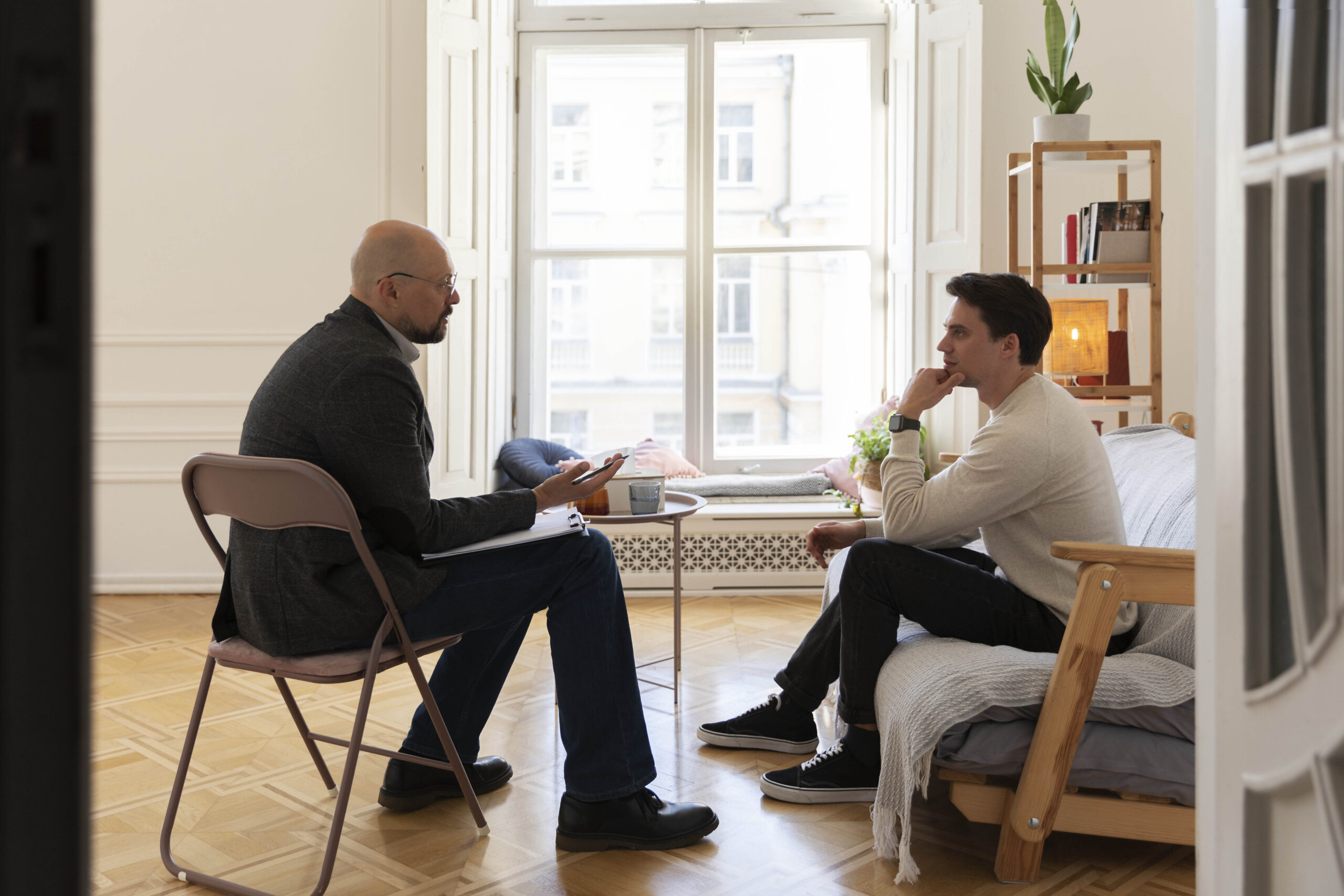
Faith-sensitive mental health care starts with the right support
Mental Health Struggles in the Muslim Community
Anxiety. Depression. Trauma. Addiction. Grief. Family conflict. Identity crises. Burnout.
These are not just buzzwords—they’re real, painful struggles affecting Muslims every day across Australia and around the world. Whether it’s the pressures of living between cultures, dealing with Islamophobia, or silently battling private emotional pain, many Muslims are carrying heavy psychological burdens with nowhere to turn.
Therapy and counselling can be a powerful source of healing—but only when you find the right counsellor. One of the most common concerns is:
“How do I know if this therapist understands me and my faith?”
Why Finding the Right Muslim Counsellor Matters
The relationship between you and your therapist is more than professional—it’s deeply personal. Trust, connection, and shared values are critical. If you feel misunderstood or judged, it can stop you from opening up, processing your experiences, or making meaningful progress.
That’s why it’s essential to look for certain qualities in a counsellor or therapist, especially if you’re seeking a Muslim mental health professional or someone who understands Islamic values.
1. Cultural and Faith Sensitivity
While your counsellor doesn’t have to be Muslim, it makes a big difference if they understand your worldview. A therapist who is culturally aware and Islamically sensitive will respect your values, religious practices, family dynamics, and spiritual priorities.
You shouldn’t have to explain what salah means. You shouldn’t feel nervous about mentioning tawakkul or sabr. The right counsellor will honour what’s sacred to you—and won’t try to “fix” your faith.
Look for professionals who:
Are familiar with Islamic concepts
Respect your religious boundaries
Avoid suggesting solutions that contradict your beliefs
2. Open-Mindedness Without Judgement
Therapists are human, and like all people, they come with their own experiences, opinions, and frameworks. A trustworthy Muslim counsellor will put your needs first, not push their own views or cultural assumptions.
Whether you’re struggling with faith-related doubt, relationship issues, or trauma, a good therapist will hold space for you without making you feel weak, sinful, or broken. They understand the difference between guidance and judgement.
3. Empowerment
Therapy isn’t about someone telling you what to do. It’s about building strength and resilience from within. A skilled counsellor will guide you to find your own voice, decisions, and solutions—through your own values and insights.
You should walk away from sessions feeling stronger and clearer, not more dependent. Islamic-aligned therapists often use the concept of tawakkul—trusting Allah while also taking proactive steps to better your circumstances.
4. Trust, Rapport & Connection
No degree or training can replace genuine connection. Therapy is a two-way relationship—and it’s okay to trust your gut. If you feel safe, heard, and emotionally supported in your sessions, that’s a good sign.
But if you consistently feel invalidated, dismissed, or like you’re walking on eggshells, it may be time to try someone else. The right therapist should feel like a safe companion on your healing journey.
5. Empathy With Accountability
Compassion is vital, but so is growth. You don’t want a therapist who only nods and agrees—you want one who gently challenges you, encourages progress, and believes in your ability to change.
A strong Muslim therapist will:
Acknowledge your pain
Validate your experiences
Hold you accountable for your growth
Encourage practical steps, while integrating Islamic guidance
They’ll remind you of your worth—not just as a client, but as a valued servant of Allah (SWT).
What About Credentials?
Look for someone with relevant mental health training—this could include:
- A degree in counselling, psychotherapy, or social work
- Experience working with Muslims or multicultural populations
- Evidence-based modalities (like CBT, ACT, trauma-informed care)
- Islamic counselling or chaplaincy training (where available)
However, don’t assume credentials alone make a therapist right for you. Prioritise personal connection, shared values, and how comfortable you feel.
You Deserve Faith-Sensitive Support
Finding a good Muslim counsellor in Australia can feel daunting—but it’s possible. More and more therapists today are offering faith-aligned care that respects your deen without sacrificing professional quality.
You deserve to work with someone who honours your identity, supports your healing, and believes in your strength.
Your healing starts with being understood.